The Importance of Disaster Cleanup

After a disaster, your first priority should be to ensure that you and your family are safe. Obtain help from the appropriate sources – your insurance company, community organizations and local officials.

Disaster restoration is an extensive process that involves several phases. Understanding these phases will allow you to prepare for the natural disaster clean up process. Visit Website for more details.

Debris Removal

Disaster Cleanup

Debris removal is an important part of disaster clean up, and it can be difficult and hazardous work. It involves removing any waste or debris left behind from the event, such as tree branches, trash, construction materials, and damaged electronics. Sorting this debris into categories can help make the cleanup process more efficient. For example, vegetative debris like tree branches can be handled differently from building material or hazardous waste. This can speed up the process and also facilitate recycling or proper disposal of any regulated materials.

In most cases, private property owners are responsible for clearing and disposing of their own debris. This can be a daunting task, but many private companies offer debris removal services for a fee. These professionals have the experience, equipment, and knowledge necessary to handle even the most complex debris cleanup. They can also navigate local regulations and ensure that all debris is disposed of in accordance with state and federal laws.

Commercial properties can also benefit from debris removal. These services can help ensure that the property is safe and ready for business as usual, while also reducing risk of further damage from flooding or fire. They can also help reduce downtime by clearing away any material that has impeded access to the building and its contents.

While commercial debris removal may be a more significant undertaking than for a home, it’s still essential for business operations. A professional company can handle this complex task efficiently, ensuring that the business is ready for operation as soon as possible.

Disaster-related debris from private property that is moved to public rights-of-way for pickup by an eligible local or state government agency may be reimbursed under the Public Assistance program. However, the extent and duration of this type of activity is carefully controlled to ensure that public safety is not compromised. It is important to check with your local authorities for more information on how to separate and set out disaster debris and when regular trash collection will resume.

Structural Repairs

Disasters like fires, floods and hurricanes cause structural damage that can impact the safety and livability of your property. Restoration construction includes critical tasks like demolition and debris removal, which prepare straightforward damaged areas for rebuilding; structural repairs, which ensure a building’s integrity; and finalization elements, including painting, flooring, and cabinetry. The right disaster recovery contractors help you get your home or business back to normal faster, minimizing damage and avoiding long term consequences.

Quality contractors use detailed estimates to explain proposed work, materials and project duration. They answer questions clearly and can provide references from previous projects similar to yours. They are licensed and insured, carrying general liability and workers compensation coverage. Look for contractors who prioritize customer satisfaction and offer competitive pricing.

Complex structural damage repair projects involve a team of specialists. Contractors, engineers and building inspectors coordinate to ensure repairs are cost-effective and code compliant. Engineers design repairs and provide calculations that validate they meet code requirements. They also perform inspections at key stages. Inspectors review completed work and issue certificates of completion, often signed by the engineer who designed the repair.

Structural repairs must address all underlying problems to prevent recurrence. For example, a damaged foundation or faulty drainage may contribute to water infiltration that can threaten the integrity of a structure.

Professional inspections are essential after disasters because some conditions demand immediate expert evaluation. Call for emergency evaluation when you see widening cracks, stair-step patterns or sagging in floors, ceilings and rooflines. Visible sagging can compromise the structural integrity of a building and pose a hazard to occupant safety.

The right restoration company offers comprehensive structural damage repair services that cover every facet of your property. Experienced crews follow specific sequences that maintain building safety throughout repairs. They use temporary shoring when needed, disconnect utilities, and protect occupied spaces from dust and debris. They remove only as much material as is safely replaced in a single work session. This methodical approach prevents accidents and provides consistent workmanship. Inspectors verify that new materials match engineering specifications, fasteners are installed correctly, and connections develop required strength.

Mold Remediation

Besides being unsightly, mold can also be a health hazard. It can trigger and exacerbate allergies, asthma flare-ups, respiratory problems, and even fungal infections. The good news is that if the problem is addressed promptly and professionally, it can be eliminated. This is called mold remediation, and it involves a thorough cleaning process that removes the visible and hidden spores that make a home a health hazard.

Molds grow and thrive in warm, humid conditions. Following a disaster, floodwaters create ideal conditions for unwanted growth. Mold spores are found in the air, and they can settle on surfaces inside homes and offices. Molds are often invisible to the naked eye, but they can leave behind dark staining and a musty odor.

A professional mold inspection should be performed after a disaster to assess the extent of the damage and determine whether or not mold removal is necessary. A comprehensive inspection will include testing for mold and assessing the humidity level in the indoor environment.

The results of the mold testing will provide a guideline for the mold cleanup process. It will include a detailed list of steps and materials needed to remove the mold and prevent its return.

During the mold remediation, contaminated surfaces will be cleaned and disinfected with antimicrobial cleaning products. Non-porous surfaces like tiles, glass and windows can be cleaned with standard surface cleaners, while more porous surfaces like drywall and carpeting will need to be removed, bagged and sealed.

It is very important to use caution when cleaning a contaminated area because mold spores are still present in the air. If not properly contained, spores can spread and contaminate clean areas. Using a mask when cleaning can help prevent the spreading of spores.

Once the mold has been cleaned, all surfaces will need to be dried with fans or dehumidifiers. This step can take days, and it is crucial to preventing mold from returning.

Rebuilding

When it comes to disaster restoration, there are several comprehensive processes that need to take place. Understanding these phases will allow you to grasp the importance of the work that professional restoration companies do.

Reconstruction is the process of repairing and updating buildings for functionality, safety, and value. This can be done by making structural changes or implementing new building technologies. It may also include fire-resistant materials, seismic reinforcements, and more. Reconstruction is often needed when older buildings are damaged or no longer meet modern safety standards.

When undergoing rebuilding during the disaster clean up process, it is important to follow the proper precautions to ensure safety. Be sure to check for hazards such as downed power lines, smoldering insulation, and contaminated water. You should never attempt to enter a property until authorities have declared it safe to do so. The sooner you call in a disaster cleanup company, the quicker your home or business will be restored to normal.
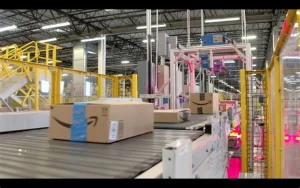
Beyond the Box: The Silent Revolution of the Modern Fulfillment Center

The journey of a product does not end when it leaves the factory. The real story begins when it enters the world of fulfillment. This silent but powerful backbone of commerce operates like an invisible engine. It is where speed, precision, and customer satisfaction intersect.

Fulfillment Center

A fulfillment center is more than just a warehouse. It is an intricate network that receives, stores, picks, packs, and ships products with astonishing accuracy. The traditional idea of stacked boxes and dusty shelves has evolved into a data-driven, automated ecosystem. At its core, the goal is to move items from shelf to doorstep with minimal delay. Visit Website to learn more.

What makes modern fulfillment centers fascinating is their complexity hidden behind simplicity. Customers see only the final step — a package at their door. But behind that, algorithms decide storage locations, robots optimize picking routes, and predictive analytics anticipate demand. Every step is measured, refined, and reimagined.

In the past, fulfillment was a secondary concern. Today, it is the heart of the competitive edge. Businesses that once treated logistics as an afterthought now invest heavily in infrastructure and intelligence. The reason is simple: speed and reliability are not luxuries anymore; they are expectations.

This transformation reflects a shift in consumer behavior. People no longer tolerate long delivery windows or vague shipping updates. They want real-time tracking, same-day options, and seamless returns. Fulfillment centers adapt by becoming more agile and responsive, capable of scaling during demand surges without losing efficiency.

Automation plays a central role in this evolution. Machines now handle tasks once reliant on manual labor, such as sorting, labeling, and even transporting goods within facilities. These innovations not only reduce human error but also increase throughput. Yet, human workers remain vital, managing quality control, complex problem-solving, and system oversight.

The rise of smart fulfillment is also changing the way inventory is managed. Instead of static storage, products are placed dynamically based on demand patterns and order frequency. Predictive models can anticipate which items will move fastest and position them for rapid retrieval. This reduces fulfillment time and increases turnover rates.

Sustainability has also become a defining feature. As environmental awareness grows, fulfillment centers are rethinking packaging, reducing waste, and optimizing transport routes to cut emissions. Some are integrating renewable energy and designing facilities that minimize their ecological footprint. This not only appeals to conscious consumers but also improves operational efficiency.

The global marketplace adds another layer of complexity. Cross-border fulfillment involves navigating customs, taxes, and regional regulations. Modern centers integrate global logistics networks and use data to forecast international demand, ensuring smooth operations even across continents. The goal is to make geography irrelevant in the buying experience.

What many do not realize is that fulfillment centers are also shaping product design and business strategy. Companies now consider how items are packaged and shipped as part of the initial design process. The dimensions, weight, and durability of products can affect fulfillment costs and delivery times, influencing everything from pricing to marketing.

The customer experience, once focused on product quality alone, now includes the delivery journey. A beautifully crafted item that arrives late or damaged can ruin a brand’s reputation. Conversely, a standard product that arrives early and flawlessly packaged can elevate customer trust. Fulfillment centers sit at the heart of that perception.

Data is the fuel that powers this transformation. Every click, order, and return generates valuable insights. Fulfillment centers use this data to refine processes, improve forecasting, and personalize services. In many ways, they act as strategic intelligence hubs, informing broader business decisions beyond logistics.

Artificial intelligence and machine learning push this intelligence even further. Algorithms predict peak seasons, recommend stock levels, and optimize delivery routes in real time. They learn from every transaction, continuously improving accuracy and performance. This predictive power allows businesses to anticipate needs before customers express them.

The future of fulfillment is also leaning towards decentralization. Instead of massive centralized warehouses, networks of smaller, strategically located centers are emerging. This model reduces shipping times, lowers costs, and offers greater flexibility. It also allows businesses to adapt quickly to local market trends and disruptions.

Another emerging trend is the integration of robotics and human collaboration. Cobots, or collaborative robots, work alongside humans, enhancing productivity without replacing the human touch. This symbiosis leads to safer workplaces, faster operations, and more consistent output. It represents the future of industrial harmony.

Customization is becoming a new frontier. Fulfillment centers are beginning to offer value-added services like personalized packaging, custom bundles, and even product assembly. These additional touches transform logistics from a back-end function into a customer-facing differentiator.

The rise of direct-to-consumer models has amplified the importance of fulfillment even further. Brands that bypass traditional retail channels rely entirely on their ability to deliver quickly and reliably. Fulfillment centers have become the bridge between virtual storefronts and physical reality, translating clicks into tangible experiences.

Yet, the sector is not without challenges. Labor shortages, supply chain disruptions, and fluctuating transportation costs all test resilience. Fulfillment centers must constantly adapt, adopting new technologies and strategies to stay ahead. Agility and innovation are no longer optional; they are essential for survival.

The pandemic accelerated many of these changes. Sudden spikes in online orders exposed vulnerabilities and forced rapid innovation. Those who adapted quickly emerged stronger, while those relying on outdated systems struggled. The lessons learned continue to shape the future of fulfillment operations.

Consumer expectations will keep rising, and fulfillment centers must evolve accordingly. Hyper-personalized delivery options, eco-friendly practices, and predictive logistics will define the next era. The line between fulfillment and customer service will blur even more, creating a seamless end-to-end experience.

Behind every successful online business lies a fulfillment center operating with precision and foresight. Its influence extends beyond logistics into branding, customer loyalty, and even innovation. It is the invisible infrastructure that powers the digital economy. Without it, commerce as we know it would grind to a halt.

The story of fulfillment is ultimately one of transformation. From dusty storage rooms to smart, sustainable ecosystems, these centers embody progress. They are no longer passive facilities but strategic assets that drive growth and shape consumer expectations. Their evolution mirrors the evolution of commerce itself.

Looking ahead, fulfillment centers will continue to redefine what is possible. They will anticipate needs before they arise, reduce environmental impact, and deliver not just products but experiences. Their silent efficiency will remain unseen by most consumers, but their impact will touch every aspect of modern life.

In a world where time is the ultimate currency, fulfillment centers are the institutions that make immediacy possible. They are the unsung heroes of the supply chain, working tirelessly behind the scenes. As commerce continues to expand, their role will only grow more crucial. Their story is far from over; in fact, it is just beginning.

The future of fulfillment will not simply be about moving goods. It will be about understanding people, predicting desires, and crafting journeys. It will transform the act of delivery into an art form — seamless, sustainable, and deeply connected to the rhythms of human life. And in that future, the fulfillment center will stand as a cornerstone of modern civilization.