The modern home is no longer defined solely by square footage or architectural style; it is increasingly shaped by the intelligence embedded within its walls. Smart home electrical integration has transformed residential living by connecting lighting, climate control, security systems, entertainment, and appliances into a unified, responsive ecosystem. What once required manual switches and standalone devices can now be controlled through centralized systems that optimize performance, reduce energy waste, and enhance day-to-day convenience. For homeowners exploring automation, understanding how electrical infrastructure supports smart technology is essential to building a system that is reliable, scalable, and secure.
At its foundation, smart home electrical integration involves connecting devices and control systems to the home’s electrical network in a structured and strategic way. Rather than simply plugging in smart gadgets, integration focuses on harmonizing wiring, circuit loads, communication protocols, and power management. The goal is to ensure that each automated feature operates seamlessly without overloading circuits or compromising safety. Proper integration requires careful planning, especially when incorporating high-demand components such as electric vehicle chargers, advanced HVAC systems, or comprehensive surveillance equipment. Check out https://www.nashelectricnc.com/ for more details.
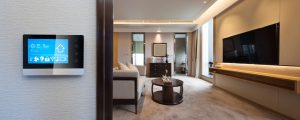
Automation is often the most visible aspect of smart home technology. Lighting systems that respond to occupancy, thermostats that learn behavioral patterns, and window coverings that adjust based on sunlight all rely on stable electrical frameworks. These systems are designed to communicate with one another, creating coordinated responses to environmental changes or user preferences. For example, when a homeowner arrives in the evening, the system can automatically illuminate pathways, adjust indoor temperatures, and activate entertainment equipment. Such synchronized responses depend on a properly balanced electrical panel and well-distributed circuits to prevent interruptions.
Lighting automation deserves particular attention because it intersects with both energy efficiency and user comfort. Smart lighting systems allow homeowners to schedule operation times, dim fixtures remotely, and create custom scenes for different activities. This integration reduces unnecessary energy consumption by ensuring lights operate only when needed. It also improves safety by automatically illuminating exterior areas at night. In addition, automated lighting can enhance property value by offering a customizable ambiance throughout living spaces. Professional electrical integration ensures that dimmers, relays, and smart switches are compatible with existing wiring and meet safety standards.
Climate control is another core component of smart home electrical integration. Heating and cooling systems account for a substantial portion of residential energy use, making automation particularly valuable in this area. Smart thermostats monitor occupancy patterns and adjust temperature settings accordingly, reducing energy waste without sacrificing comfort. Electrical integration ensures that these systems communicate effectively with sensors and that power distribution remains stable during peak demand periods. By optimizing load management, homeowners can achieve measurable energy savings while maintaining consistent indoor conditions.
Security is equally central to the appeal of smart home integration. Modern systems combine surveillance cameras, motion detectors, door sensors, and automated locks into comprehensive protective networks. These components rely on reliable power sources and backup solutions to remain operational during outages. Electrical integration involves configuring dedicated circuits for security equipment and installing surge protection to guard against voltage fluctuations. In some cases, battery storage systems are incorporated to provide uninterrupted power. A professionally integrated security network enhances both deterrence and monitoring capabilities, offering homeowners greater confidence in their property’s protection.
Convenience is often the driving motivation behind adopting smart home technology. Voice commands, mobile applications, and automated routines eliminate repetitive tasks and streamline daily activities. However, convenience must be supported by a stable electrical infrastructure. Without proper integration, devices may experience connectivity issues or performance inconsistencies. Electrical professionals evaluate panel capacity, ensure proper grounding, and confirm compatibility among devices. This technical foundation prevents disruptions and supports long-term reliability as additional smart features are introduced.
Effective smart home electrical integration typically includes two primary phases:
- Infrastructure assessment and preparation, which involves evaluating panel capacity, circuit distribution, and wiring conditions.
- System configuration and testing, during which devices are connected, communication pathways are verified, and performance is optimized.
These phases ensure that automation features operate cohesively rather than as isolated components. Skipping foundational assessment can result in overloaded circuits or unreliable connections, undermining the benefits of smart technology.
Energy management represents another compelling advantage of integrated smart systems. Advanced monitoring tools provide real-time insights into electricity consumption patterns, enabling homeowners to identify inefficiencies and adjust usage accordingly. Smart plugs and circuit-level monitors track individual appliance performance, while automated systems can shift energy-intensive tasks to off-peak hours. Electrical integration ensures that monitoring devices are accurately calibrated and that collected data reflects true consumption patterns. Over time, these insights translate into reduced utility costs and more sustainable energy practices.
Another important consideration is network stability. While many smart devices communicate wirelessly, their functionality ultimately depends on consistent power delivery. Electrical integration involves minimizing interference, maintaining proper voltage levels, and protecting circuits from surges. Whole-home surge protection systems guard sensitive electronics against damage caused by sudden voltage spikes. Additionally, proper grounding and bonding reduce the risk of electrical noise that could disrupt communication between devices. These safeguards protect investments in technology and extend equipment lifespan.
As smart homes evolve, scalability becomes increasingly important. Homeowners rarely install every automated feature at once. Instead, systems expand gradually, incorporating additional lighting zones, entertainment components, or security upgrades over time. Electrical integration must anticipate future growth by reserving panel capacity and installing adaptable wiring pathways. Planning for scalability prevents costly retrofits and ensures that new devices can be integrated without major structural changes.
Integration also extends to outdoor environments. Smart irrigation systems, landscape lighting, and automated gates require safe and weather-resistant electrical connections. Outdoor installations must comply with strict safety standards to prevent moisture-related hazards. Electrical professionals use specialized conduits, weatherproof enclosures, and ground fault protection to ensure safe operation. By extending integration beyond interior spaces, homeowners achieve comprehensive control over their entire property.
When considering smart home electrical integration, it is important to prioritize cybersecurity alongside electrical safety. Connected devices collect and transmit data, creating potential vulnerabilities if systems are not properly configured. While electrical professionals focus primarily on power distribution and hardware installation, collaboration with network specialists may be necessary to secure communication channels. Ensuring that routers, hubs, and devices are updated and encrypted enhances overall system integrity. A well-integrated smart home balances physical safety with digital protection.
Maintenance remains essential even after a smart home system is fully operational. Firmware updates, battery replacements, and periodic inspections help sustain performance. Electrical components such as breakers and surge protectors should be checked regularly to confirm functionality. Preventive maintenance minimizes unexpected downtime and ensures that automated features continue to operate as intended. Homeowners who view smart integration as an ongoing investment rather than a one-time installation are more likely to experience consistent benefits.
To maximize the effectiveness of smart home electrical integration, homeowners should consider several best practices:
- Centralize control systems to reduce redundancy and streamline troubleshooting.
- Invest in high-quality wiring and surge protection to safeguard sensitive electronics.
- Plan device placement strategically to avoid signal interference and uneven load distribution.
- Schedule periodic professional inspections to verify system health.
These proactive measures enhance system longevity and performance while reducing the risk of technical complications.
The convenience offered by integrated automation extends beyond comfort; it also supports accessibility. Automated lighting, voice-controlled devices, and remote monitoring tools can significantly improve daily living for individuals with mobility challenges. Electrical integration ensures that these accessibility features are dependable and safely configured. By aligning technology with practical needs, smart homes can adapt to evolving household requirements.
Environmental sustainability is another benefit of comprehensive integration. Automated shading systems reduce cooling loads, smart thermostats optimize energy use, and real-time monitoring encourages responsible consumption habits. When integrated with renewable energy systems such as solar panels or battery storage units, smart electrical frameworks enable efficient energy distribution and storage management. Proper configuration ensures that power flows safely between sources and loads, maximizing efficiency without compromising safety.
In conclusion, smart home electrical integration represents a convergence of automation, security, and convenience within a unified infrastructure. It transforms isolated devices into cohesive systems that respond intelligently to user preferences and environmental conditions. However, the success of this transformation depends on meticulous electrical planning and professional installation. By investing in structured integration, homeowners create living environments that are safer, more efficient, and adaptable to future innovations. As technology continues to advance, the homes that prioritize thoughtful electrical integration will be best positioned to harness the full potential of automation while maintaining reliability and peace of mind.